


The Royal Enclosure Dress Code 101: How to Pass the Ascot Style Check
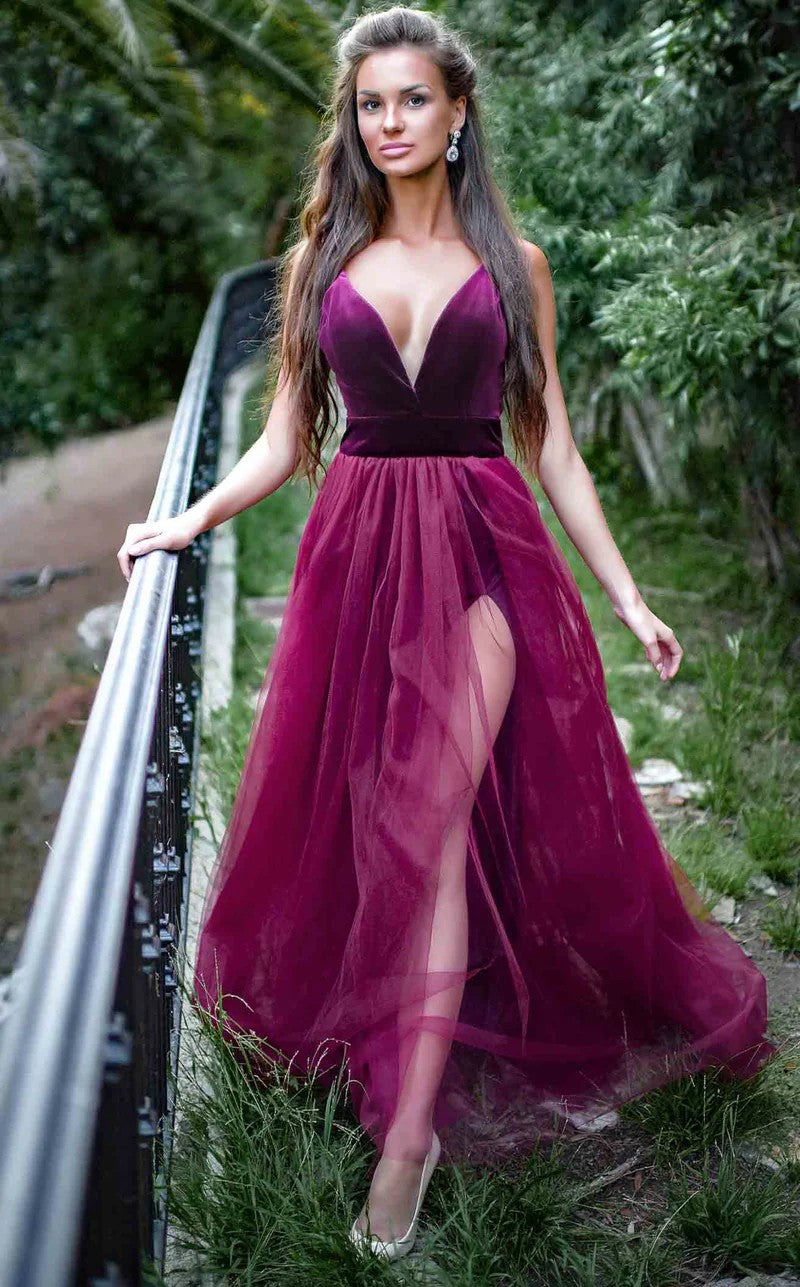
There is no event on the British summer social calendar quite like Royal Ascot. Synonymous with sartorial elegance, deep-rooted heritage, and the thrilling thunder of thoroughbred hooves, this five-day racing festival is the undeniable pinnacle of summer high society. Founded by Queen Anne in 1711, the event has maintained a unique air of prestige for over three centuries. While the spectacular horse racing and the daily Royal Procession are the main events, the fashion on display is undeniably a close second, drawing the attention of fashion editors, royalty, and style enthusiasts worldwide. If you have been lucky enough to secure an invitation to the Royal Enclosure, you are stepping into the most exclusive, historic, and heavily scrutinised area of the Berkshire racecourse.
However, with great prestige comes great sartorial responsibility. The Royal Enclosure is famous and sometimes infamous for having the strictest dress code of any public event in the world. The style police, officially known as dress code assistants, wait at the turnstiles. They are impeccably polite, but they are absolutely unyielding in their enforcement of the rules. The anxiety of what to wear can easily overshadow the excitement of the day itself. Finding the right balance between your own personal style and the rigid traditional guidelines is essential. That is why investing time in exploring collections of formal dresses that cater explicitly to high-society daytime events is so critical for your peace of mind.
Dressing for the Royal Enclosure should not be a stressful ordeal; rather, it is a joyful celebration of classic elegance and timeless tailoring. This comprehensive guide will walk you through the dress code in meticulous detail, ensuring that you not only pass the Ascot style check with flying colours but also look and feel entirely spectacular from the first race to the last.
What Are the Absolute Non-Negotiables for Women's Attire?
When it comes to women’s fashion in the Royal Enclosure, the rules are deeply rooted in traditional modesty, formal daywear, and a profound respect for the royal presence. First and foremost, the length of your dress or skirt is heavily scrutinised by the staff at the gates. Hemlines must fall just above the knee or longer. Mini skirts are strictly forbidden, and the style assistants are not afraid to use a literal ruler if a hemline looks suspiciously high. The focus is always on sophistication and grace, meaning midi and maxi lengths are strongly encouraged over anything that cuts off abruptly above the knee.
The rules surrounding necklines and shoulders are equally stringent and leave absolutely no room for negotiation. Strapless, off-the-shoulder, halter neck, and spaghetti strap dresses are completely banned. If you are wearing a dress with straps, those straps must be at least one inch (2.5 cm) wide. Many seasoned attendees prefer to bypass the strap anxiety altogether by opting for beautifully crafted modest long sleeve dresses, which not only guarantee compliance but also offer an incredibly chic, streamlined silhouette that is perfect for the unpredictable British summer weather. Midriffs must be completely covered at all times, and sheer fabrics are not permitted unless they are fully lined from top to bottom.
Here is a quick checklist to ensure your outfit passes the rigorous Royal Enclosure test:
-
Hemline Length: Dresses and skirts must fall just above the knee or lower.
-
Strap Width: Straps must be at least one inch thick. Strapless, halter, and spaghetti straps are absolute grounds for refused entry.
-
Midriffs and Torsos: Must be entirely covered at all times. Sheer panels are strictly prohibited.
-
Trouser Suits: Must be full-length to the ankle and of matching material and colour.
-
Jumpsuits: Must fall below the knee and adhere to the exact same strap and neckline rules as traditional dresses.
-
Jackets and Pashminas: May be worn, but the garment worn underneath must strictly comply with all standalone rules (you cannot hide a strapless dress under a tailored jacket).
Curating Your Perfect Royal Enclosure Look
Navigating these strict rules does not mean you have to compromise on personal style. In fact, the parameters of the dress code often push attendees to find beautifully tailored, sophisticated pieces that they might not have considered otherwise. The key is to look for high-quality fabrics like silk, crepe, chiffon, and organza, and to lean into classic silhouettes like A-line midi dresses, sharply tailored coat dresses, or elegant pencil shapes. For a seamless shopping experience that aligns directly with these stringent demands, browsing the curated selections at The Dress Outlet UK is a fantastic starting point.
An excellent insider strategy is to look at mother of the bride outfits when shopping for Royal Ascot. These designs are specifically crafted to be refined, chic, and beautifully coordinated with matching jackets or boleros. They naturally feature the modest necklines and appropriate hemlines required by the racing authorities, making them a foolproof choice for the Royal Enclosure. By choosing these structured, elegant pieces, you ensure that your outfit is elevated, appropriate, and perfectly suited to the dignified atmosphere of the grandstand.
It is also vital to remember the context of the event. Royal Ascot is strictly a daytime sporting affair. While grand, sweeping evening gowns are undeniably breathtaking, they are completely inappropriate for a day at the races. Heavy sequins, dramatic trailing trains, and high-shine metallic clubwear should be avoided entirely. Instead, opt for sophisticated floral prints, soft pastels, or bold, striking jewel tones. Colour blocking is heavily favoured by the Royal Family themselves, making it a timeless and highly appropriate choice for the enclosure.
How Do You Navigate the Tricky Headwear Requirements?
The most iconic and photographed element of Royal Ascot fashion is, undoubtedly, the headwear. The hats at Ascot are legendary, ranging from breathtakingly elegant wide-brimmed creations to avant-garde architectural sculptures that defy gravity. However, the Royal Enclosure has very specific rules about what you can and cannot wear on your head, and this is where many first-time attendees slip up and find themselves in trouble at the turnstiles.
The most crucial rule to remember is that hats are completely mandatory. You cannot simply wear your hair in a beautiful, intricate updo and call it a day. Furthermore, the dreaded "fascinator" is strictly banned in the Royal Enclosure. A fascinator is generally defined by Ascot authorities as a small decorative headpiece attached to a comb, clip, or thin headband. While entirely acceptable in the less formal Village or Queen Anne enclosures, they will instantly get you turned away at the Royal gates.
Instead, you must wear a solid headpiece that has a physical base of at least 4 inches (10 centimetres) in diameter. This headpiece must be worn at all times. Choosing the right hat is an art form. It needs to complement your dress, not fight with it for attention. If your dress features a bold, busy floral pattern, opt for a monochromatic hat that pulls out one of the subtle colours in the fabric. Conversely, if your dress is a simple, sleek block colour, you can afford to be much more daring, large, and sculptural with your choice of millinery. Ensure your hat is securely pinned in place; the Ascot grandstands can get incredibly breezy, and holding your hat onto your head all day is a sure way to ruin your elegant posture.
The Sartorial Rules for Gentlemen in the Enclosure
While this guide focuses heavily on women’s fashion, we cannot ignore the gentlemen, who face an equally strict, if not stricter, set of sartorial standards in the Royal Enclosure. The men’s dress code is remarkably rigid, leaving almost zero room for creative interpretation or modern streetwear trends. The uniform is traditional morning dress, and any deviation is swiftly penalised. It is a spectacle of top hats and tails that truly transports the event back to the nineteenth century.
Gentlemen attending the Royal Enclosure must adhere strictly to the following checklist without exception:
-
Morning Dress: You must wear black, grey, or navy morning dress. This legally must include a tailcoat, a fitted waistcoat, and matching or striped trousers.
-
Top Hats: A black or grey top hat is mandatory. It must be worn at all times, except within a restaurant, a private box, or on a private balcony.
-
Neckwear: A standard tie must be worn. Cravats, bow ties, and neckerchiefs are strictly prohibited.
-
Shoes: Shoes must be black leather and worn with dark socks that completely cover the ankle. Novelty shoes, loafers without socks, or trainers are instantly rejected.
-
Customisation: Novelty waistcoats and novelty ties are not permitted. Keep it classic, elegant, and refined.
By embracing the traditional morning suit, men contribute significantly to the incredible, time-warp atmosphere of the Royal Enclosure, where the modern world falls away, replaced by the elegance of a bygone era.
The Art of Comfort, Tailoring, and Final Touches
When planning your Ascot outfit, it is absolutely vital to factor in comfort alongside style. You will be on your feet for a significant portion of the day, walking across manicured grass lawns, cheering from the grandstands, and mingling in the gardens. Finding an outfit that fits flawlessly is the foundation of all-day comfort. For those looking for impeccable tailoring that celebrates their shape, exploring dedicated plus size formal wear collections ensures you do not have to compromise on the strict dress code rules or your own physical comfort. Whether you choose a sweeping A-line dress or a sharply tailored suit, the fit should allow you to sit, stand, and walk with total ease.
Tailoring has evolved beautifully for the modern racing season. Today, chic jumpsuits are happily permitted in the Royal Enclosure, provided they adhere to the strict length and shoulder guidelines. This offers a fantastic, modern alternative for women who prefer structured tailoring over a traditional dress. Footwear is another critical component to nail down early. While towering stilettos might look fabulous in the mirror at home, they will quickly sink deep into the Berkshire turf, leaving you hobbling awkwardly by mid-afternoon. Opt for elegant block heels, wedges, or sophisticated, embellished flats to navigate the tricky terrain gracefully.
Furthermore, the British weather is notoriously fickle, capable of offering blazing sunshine and chilly downpours in the exact same afternoon. A beautifully tailored coat or a stylish pashmina that complements your dress is a functional necessity. By familiarising yourself with these strict rules and meticulously curating your outfit from trusted retailers, you can step through the wrought-iron gates of the Royal Enclosure with absolute confidence.
FAQs
1. Can I wear a jumpsuit to the Royal Enclosure at Ascot?
Yes, provided it is full-length to the ankle and the top portion complies with all standard dress rules (one-inch straps, no sheer panels).
2. Are wedges or block heels acceptable at Royal Ascot?
Yes, they are highly recommended over stilettos to prevent your shoes from sinking into the grass lawns.
3. Am I allowed to take my hat off during the day if I get a headache?
No, ladies must wear their headpieces at all times. Gentlemen can only remove their top hats indoors or on private terraces.
4. What actually happens if my dress doesn't meet the Royal Enclosure dress code?
You will politely be denied entry by the style assistants until you adjust your outfit to comply with the rules.
5. Can women wear a tailored trouser suit instead of a dress?
Yes, as long as the jacket and trousers are matching in material and colour, and the trousers are full-length to the ankle.